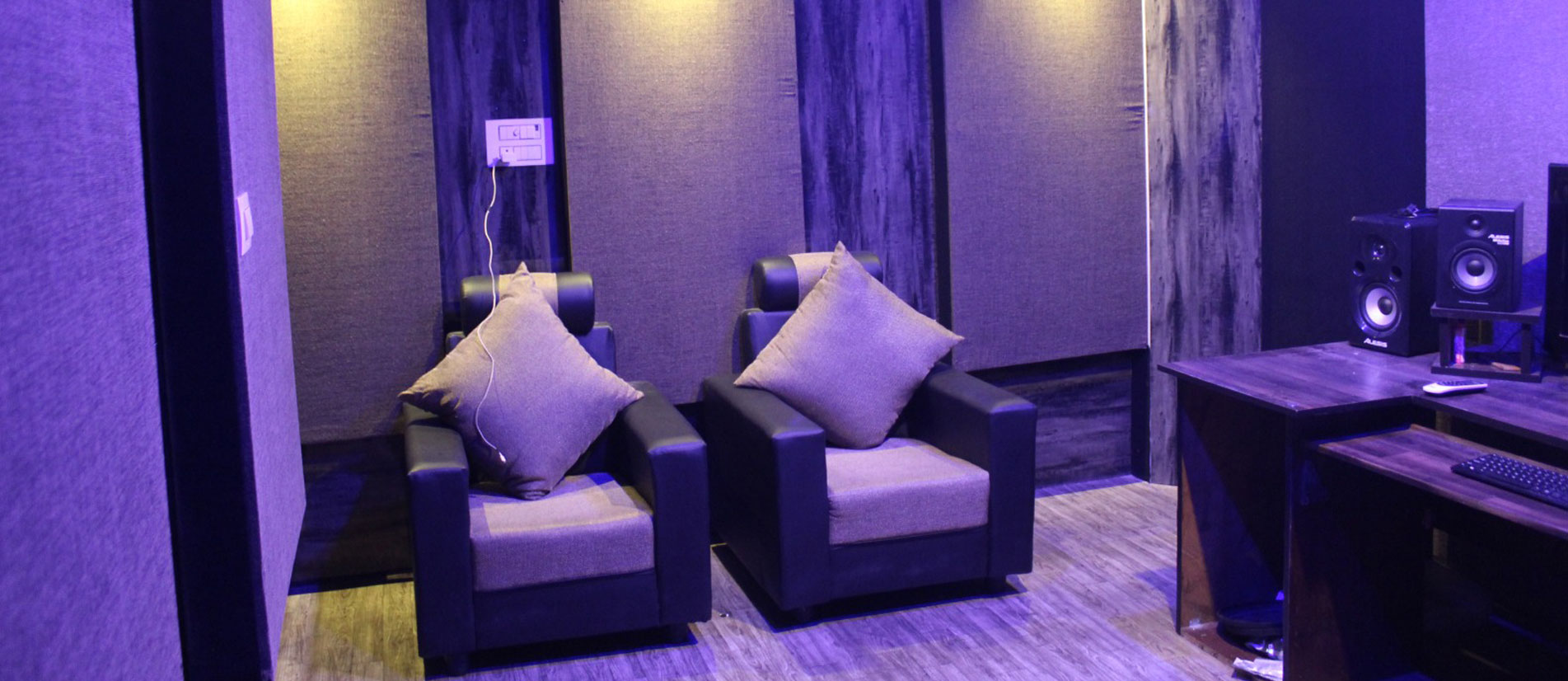
When it comes to managing sound in a space, two terms are often used interchangeably but refer to distinctly different concepts: soundproofing and acoustic treatment. Understanding the difference between these two approaches is essential for anyone looking to improve the acoustic quality of their environment—whether it's a home studio, an office, a cinema, or a residential property. Using the wrong solution for your problem can lead to wasted resources and unsatisfactory results.
In this comprehensive guide, we'll explain the fundamental differences between soundproofing and acoustic treatment, the specific applications of each, and how they can work together to create the ideal acoustic environment. We'll also help you determine which approach—or combination—is right for your specific needs.
"Soundproofing stops sound from entering or leaving a space. Acoustic treatment shapes the sound inside a space. Both are essential for creating exceptional acoustic environments."
What is Soundproofing?
Soundproofing, also known as sound isolation, is the process of preventing sound from traveling between spaces. Its primary goal is to block or significantly reduce the transmission of sound through walls, floors, ceilings, doors, and windows. Soundproofing addresses two types of sound transmission:
- Airborne Sound: Sound that travels through the air, such as voices, music, and television audio. This is blocked by adding mass, sealing air gaps, and using dense materials.
- Structure-Borne Sound (Impact Noise): Sound that travels through the building structure, such as footsteps, moving furniture, and mechanical vibrations. This is controlled through decoupling, damping, and resilient materials.
Key Soundproofing Techniques:
- Adding Mass: Using dense materials like extra layers of drywall, mass-loaded vinyl, or concrete to block sound.
- Decoupling: Separating structural elements (e.g., double-stud walls, resilient channels) to prevent vibration transmission.
- Damping: Using viscoelastic compounds like Green Glue between layers to convert sound energy into heat.
- Sealing Air Leaks: Sealing gaps around doors, windows, outlets, and penetrations with acoustic caulk, door sweeps, and weatherstripping.
Common Soundproofing Applications:
- Preventing noise from entering a recording studio from outside traffic.
- Keeping sound from a home theater from disturbing other rooms.
- Ensuring privacy in office meeting rooms and executive offices.
- Reducing noise between apartments in multi-family residential buildings.
- Controlling mechanical noise from HVAC and plumbing systems.
What is Acoustic Treatment?
Acoustic treatment is the process of managing the sound that is already inside a space. Its goal is to improve the quality of sound within a room by controlling reflections, reducing reverberation, and creating a balanced acoustic environment. Acoustic treatment does not prevent sound from entering or leaving a room; it optimizes the auditory experience for those inside.
Key Acoustic Treatment Techniques:
- Absorption: Using porous materials like acoustic panels, foam, and carpets to absorb sound energy and reduce reflections.
- Diffusion: Using diffusive surfaces to scatter sound waves, preventing flutter echo and creating a more spacious sound field.
- Bass Trapping: Using specialized absorbers to control low-frequency energy, reducing standing waves and resonance.
- Reflection Management: Strategically placing absorptive and diffusive materials to control the path of sound reflections.
Common Acoustic Treatment Applications:
- Reducing echo and reverberation in recording studios and control rooms.
- Improving speech intelligibility in conference rooms and lecture halls.
- Creating an immersive sound experience in home theaters.
- Enhancing acoustic comfort in restaurants, offices, and healthcare facilities.
- Controlling flutter echo and room modes in music practice spaces.
Soundproofing vs Acoustic Treatment: Key Differences
| Aspect | Soundproofing | Acoustic Treatment |
|---|---|---|
| Primary Goal | Block sound transmission between spaces | Optimize sound quality within a space |
| Key Methods | Mass, decoupling, damping, sealing | Absorption, diffusion, bass trapping |
| Materials Used | Mass-loaded vinyl, drywall, resilient channels, acoustic caulk | Acoustic panels, foam, diffusers, bass traps |
| Does it block sound? | Yes | No |
| Does it improve sound quality? | Indirectly (by reducing external noise) | Directly |
| Typical Project Scope | Structural construction, wall assemblies, building envelope | Interior finishes, surface treatments, furniture |
| Cost Impact | Generally higher, often requires significant construction | Can be lower, often applied to existing surfaces |
When to Use Soundproofing
Soundproofing is the right choice when:
- You need to prevent noise from entering or leaving a space (e.g., a studio that must not disturb neighbors).
- You require privacy for confidential conversations (e.g., legal offices, medical consultation rooms).
- You are designing multi-unit residential buildings where noise between units is a concern.
- External noise (traffic, construction) is disrupting the indoor environment.
- You are constructing a building from scratch and can integrate isolation measures into the structural design.
When to Use Acoustic Treatment
Acoustic treatment is the right choice when:
- You want to improve the sound quality within a room (e.g., reduce echo in a home theater).
- You need to control reverberation for better speech intelligibility (e.g., conference rooms, lecture halls).
- You are setting up a recording studio or critical listening environment and need a neutral, accurate sound.
- You want to enhance the ambiance and comfort of a space (e.g., restaurants, offices).
- You are working with an existing space and cannot make major structural changes.
How Soundproofing and Acoustic Treatment Work Together
In many projects, soundproofing and acoustic treatment are complementary. A professional recording studio, for example, requires both:
- Soundproofing to keep external noise out and prevent the music from disturbing others in the building.
- Acoustic Treatment to control reverberation, balance frequency response, and create an accurate monitoring environment.
Similarly, in a home theater, soundproofing prevents sound from traveling to other rooms, while acoustic treatment (panels, bass traps) enhances the audio experience inside the room. In offices, soundproofing between meeting rooms ensures privacy, while acoustic treatment in open-plan areas improves comfort and reduces distractions.
Common Misconceptions
- Misconception: Acoustic panels soundproof a room. Reality: Acoustic panels absorb sound within the room; they do not block sound from passing through walls.
- Misconception: Soundproofing and acoustic treatment are the same thing. Reality: They are different disciplines with different goals and methods.
- Misconception: You only need one or the other. Reality: For optimal results, many projects benefit from both.
- Misconception: Soundproofing is always expensive. Reality: While some soundproofing projects are costly, many simple measures (sealing gaps, adding door sweeps) are affordable and effective.
Assessing Your Acoustic Needs
To determine whether you need soundproofing, acoustic treatment, or both, consider the following:
- Identify the problem: Is the issue external noise entering the space, noise escaping to neighboring spaces, or poor sound quality within the room?
- Define your goals: Do you need privacy, isolation, or improved clarity and balance?
- Consider your budget: Soundproofing structural changes are typically more expensive than applying acoustic treatment.
- Assess the space: Is the building new or existing? Are structural modifications possible?
- Consult a professional: An acoustic consultant can provide a thorough assessment and recommend the most effective solutions.
Practical Steps for Each Approach
Soundproofing Steps:
- Seal all gaps and cracks with acoustic caulk.
- Install door sweeps and weatherstripping on doors.
- Add mass to walls by adding layers of drywall with Green Glue.
- Use resilient channels or soundproofing clips to decouple walls and ceilings.
- Upgrade windows to double-glazed or laminated glass.
- Install acoustic underlayment for floors to reduce impact noise.
Acoustic Treatment Steps:
- Identify first reflection points and place absorptive panels there.
- Add bass traps in corners to control low frequencies.
- Use diffusers on rear walls to scatter reflections.
- Install acoustic ceiling clouds for large spaces.
- Add carpeting, rugs, and soft furnishings for additional absorption.
- Use bookshelves filled with books as natural diffusers.
Acoustic Design from Ray Acoustics
At Ray Acoustics, we understand the nuanced differences between soundproofing and acoustic treatment. Our team of certified acoustic consultants provides comprehensive services that address both aspects, ensuring that your space achieves the optimal acoustic environment. We conduct detailed assessments, use advanced modeling and measurement tools, and design tailored solutions that balance performance, aesthetics, and budget.
Whether you are building a new studio, renovating an office, or designing a multi-purpose venue, we can guide you through the process of selecting and implementing the right acoustic strategies. Our solutions are designed to integrate seamlessly with your architectural and interior design, providing both functionality and visual appeal.
Conclusion
Soundproofing and acoustic treatment are distinct but complementary disciplines. Soundproofing blocks sound from entering or leaving a space, while acoustic treatment shapes the sound inside a space. Understanding the difference is crucial for making informed decisions and achieving the desired acoustic outcome. In many cases, the best results come from combining both approaches—creating spaces that are not only quiet and private but also sonically excellent and enjoyable.
Ray Acoustics is committed to helping you navigate the complexities of acoustic design. Contact us today to discuss your project and discover how our expertise can transform your space into an acoustic masterpiece.