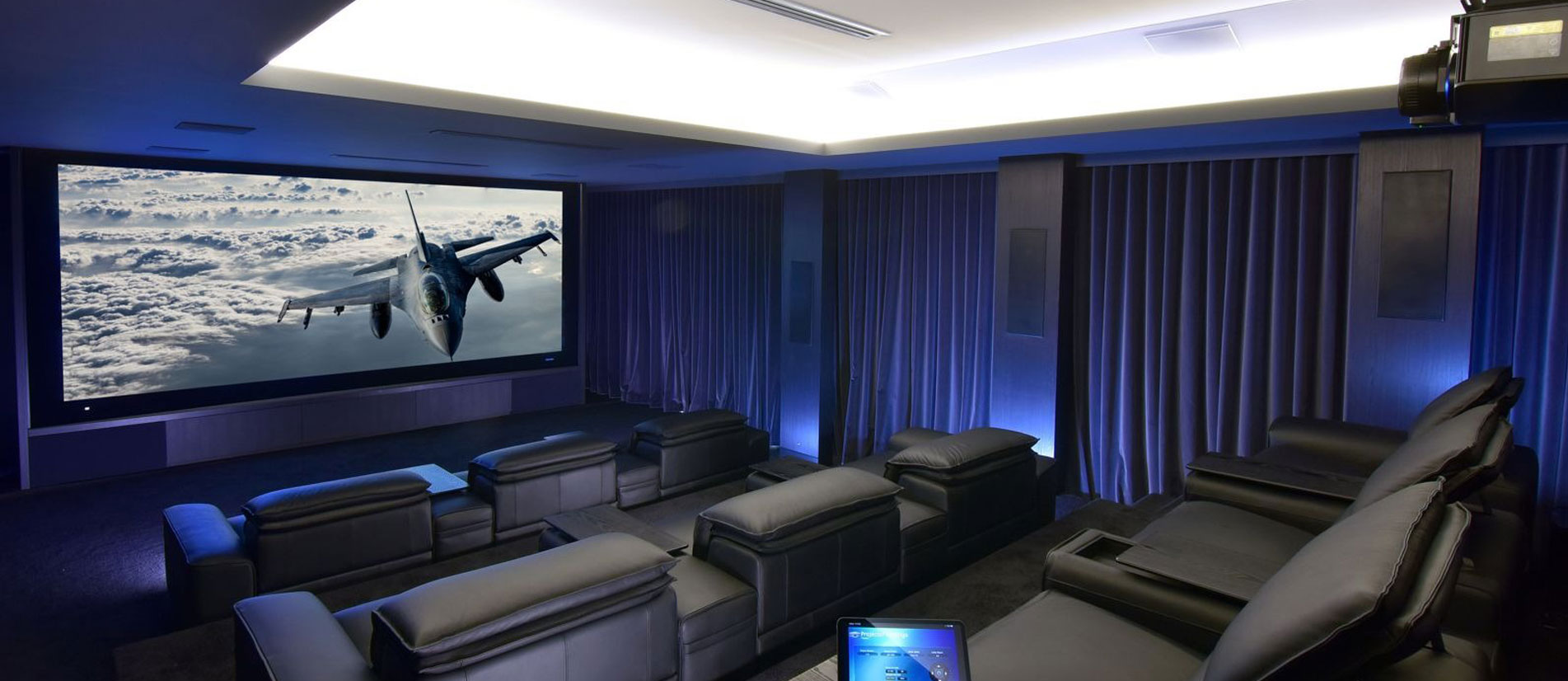
The cinematic experience is defined as much by what we hear as by what we see. A film's sound design—from the subtlest whisper to the most explosive action sequence—is meticulously crafted to evoke emotion, build tension, and immerse the audience in the story. However, even the most brilliant sound design can be rendered ineffective if the theatre's acoustic environment is not optimized for playback. Cinema theatre acoustic design is a specialized discipline that requires a deep understanding of sound physics, room geometry, materials, and human perception. This article explores the best practices for achieving exceptional acoustics in cinema theatres, ensuring that every seat delivers a world-class auditory experience.
Designing a cinema theatre for optimal acoustics involves balancing multiple, often competing, factors. The room must control reverberation to ensure clarity, provide precise sound localization to match on-screen action, maintain consistent frequency response across the entire audience area, and isolate the auditorium from external noise. Achieving this requires careful planning from the earliest stages of design, integrating acoustic considerations with architecture, interior design, and AV system specification. At Ray Acoustics, we apply a comprehensive approach to cinema theatre design, leveraging proven best practices to create spaces that captivate audiences.
"In cinema, sound is half the picture. Great acoustic design ensures that the audience hears every detail as the filmmaker intended, transforming a movie into an unforgettable event."
Fundamental Acoustic Principles for Cinema Theatres
1. Reverberation Time (RT60)
Reverberation time is the time it takes for sound to decay by 60 dB after the source stops. For cinema theatres, the ideal RT60 varies with the volume of the room but generally falls in the range of 0.6 to 1.0 seconds for mid-range frequencies (500 Hz to 1 kHz). This relatively low reverberation time ensures that dialogue remains crisp and intelligible, while still providing a sense of acoustic warmth and envelopment. Too much reverberation can cause "muddy" sound, while too little can make the space feel dry and lifeless.
2. Background Noise Level (NC Curve)
Background noise in a cinema auditorium must be kept to a minimum to avoid masking subtle audio details. The Noise Criteria (NC) curve is a common metric; for cinemas, an NC-25 rating is typical, meaning that background noise levels are very low—comparable to a quiet library. Achieving this requires careful design of HVAC systems, sound isolation from external sources (traffic, adjacent spaces), and attention to equipment noise (projectors, ventilation fans).
3. Sound Isolation (Sound Transmission Loss)
Cinemas must be isolated from both external noise and from adjacent auditoriums (in multiplexes). Sound isolation involves constructing walls, floors, and ceilings with high mass, decoupling structural elements, and using acoustic seals to prevent flanking paths. The Sound Transmission Class (STC) rating of walls should be at least 65-70, with robust construction to prevent sound leaks. This ensures that the audio experience in one theatre does not intrude into another.
4. Frequency Response and Loudspeaker Placement
The loudspeaker system is the heart of a cinema's sound reproduction. According to Dolby and THX standards, the frequency response at the listening position should be flat (±3 dB) from 31.5 Hz to 16 kHz. Speaker placement follows the "Dolby Standard" for 5.1, 7.1, or immersive formats like Dolby Atmos. The LCR (left-center-right) speakers must be precisely aligned behind the screen to ensure that sound cues match on-screen action. Subwoofers are typically placed to even out bass response, avoiding "nulls" where low frequencies are cancelled out.
5. Acoustic Treatment and Surface Materials
Acoustic treatment in cinemas is carefully balanced to achieve the target RT60 and control reflections. Absorptive materials (e.g., acoustic panels, fabric-wrapped panels, carpeting) control reverberation, while diffusive surfaces (e.g., irregularly shaped panels, angled surfaces) scatter sound to create an even sound field and prevent flutter echo. Highly reflective surfaces like glass and exposed concrete are avoided unless specifically treated. Baffles, hangings, and other architectural elements can contribute to both acoustic performance and aesthetic appeal.
Best Practices in Cinema Acoustic Design
1. Room Geometry and Seating Layout
The shape of the auditorium significantly impacts acoustics. A "shoebox" shape is a classic and effective design, but modern cinemas often use "stadium" seating where rows are steeply raked. This improves sightlines and, importantly, reduces the acoustic shadowing that can occur in flat-floor designs. The rake angle also allows sound to reach each row with minimal obstruction. The distance from the screen to the back wall, the height and width of the room, and the positions of the speakers should all be dimensioned to minimize acoustic anomalies like standing waves and focusing effects.
2. Balcony and Overhang Design
Many larger cinemas feature balconies. While visually appealing and efficient, balconies can cause acoustic reflections and masking if not designed carefully. The underside of the balcony must be angled or treated with absorptive material to prevent sound from being reflected back to the stage. The edge of the balcony can also create a "shadow" that affects sound coverage; proper design ensures that the entire audience area receives a uniform sound field.
3. Wall Construction and Isolation
For sound isolation, a "mass-air-mass" wall construction—two layers of drywall separated by an air gap and resilient channels—is standard. Each layer is separated structurally to prevent vibration transmission. The air gap can be filled with sound-absorbing insulation to further enhance STC ratings. Penetrations for electrical, HVAC, and lighting must be sealed with acoustic caulk or putty to prevent sound leakage.
4. Floor and Ceiling Isolation
Floating floors and suspended ceilings are often used to isolate the auditorium from impact noise and vibrations. The slab is decoupled from the structure using resilient mounts or "floating" floor systems. Ceilings are hung with isolators to reduce transmission from adjacent floors. Additionally, the use of raised access floors can simplify AV cabling while providing some acoustic isolation.
5. HVAC System Design
HVAC is a primary source of background noise. In cinema design, HVAC systems must be quiet and carefully placed to avoid noise intrusion. Key strategies include using oversized, low-velocity ductwork, adding acoustic baffles and silencers in ducts, locating mechanical equipment away from auditoriums, and using vibration isolation mounts. The supply and return air openings should be designed to minimize airflow noise and should not be positioned near microphones or critical listening positions.
6. Screen and Projection Technology
The perforated projection screen plays a dual role: it must support high-quality video projection while allowing sound from the LCR speakers to pass through. Screens with a high "open area" (typically 3-5%) are used to minimize acoustic attenuation. The speakers are placed behind the screen at the correct height and angle to align with the on-screen action. For immersive formats, overhead and surround speakers must be positioned according to the format's specifications, with careful coverage planning.
7. Acoustic Modelling and Simulation
Before construction begins, detailed computer modelling using software like EASE, Odeon, or AFMG SoundFlow is a best practice. These tools simulate the acoustic behaviour of the proposed space, predicting RT60, clarity, speech intelligibility, and sound coverage. Simulation allows designers to experiment with different materials, shapes, and speaker placements before committing to costly physical changes. Iterative modelling ensures that the final design meets all acoustic goals.
8. Calibration and Tuning
Post-construction, the acoustic system must be carefully calibrated. This involves equalizing the loudspeaker system to achieve a flat frequency response at multiple listening positions, setting delays to ensure precise time alignment, and adjusting output levels to match the reference standard (typically 85 dB SPL for cinemas, with headroom for peaks). Professional calibration using measurement microphones and software is essential. An often-overlooked step is the "listening test" by experienced sound engineers to confirm that the subjective acoustic experience is as good as the objective measurements.
9. Maintenance and Future-Proofing
Cinema acoustics are not a "set and forget" component. Regular maintenance of the AV system, including speaker checks, amplifier tuning, and verifying that acoustic treatments have not been altered (e.g., by new furniture or modifications), is important. Additionally, as audio formats evolve (e.g., the transition from 5.1 to Dolby Atmos), the acoustic design should allow for system upgrades. This often involves pre-wiring for additional channels and ensuring that the infrastructure can support new technologies.
Acoustic Design for Special Cinema Formats
Dolby Atmos and Immersive Audio
Immersive audio formats like Dolby Atmos use object-based sound, where audio objects are placed in a 3D space. This requires not only the traditional LCR and surround speakers but also overhead speakers. The acoustic design must ensure that overhead speakers are correctly positioned to create the "dome of sound" effect. Diffusive surfaces and absorptive treatments must be balanced to allow the precise localization of objects without creating coloration or echoes.
IMAX Theatres
IMAX theatres have specific acoustic requirements due to the large screen size and the demand for high-impact, low-distortion sound. The room shape often approaches a "hemisphere" to provide immersive sound coverage. The loudspeaker system is typically more powerful and requires even more rigorous isolation and control of reverberation. IMAX specifications for RT60 and background noise are very stringent.
Alternative Content and Live Events
Many cinemas now host live events, corporate presentations, and concerts. These uses have different acoustic needs—for example, a live Q&A session requires good speech intelligibility, while a concert may need a longer reverberation time. A flexible acoustic design that allows for reconfiguration or adaptive treatments (e.g., moveable panels, variable acoustics) can address these diverse requirements.
Case Study: A Multiplex Cinema Project in Chennai
Ray Acoustics recently partnered with a leading multiplex chain to design a new 9-screen cinema complex in Chennai. The project posed unique challenges: the site was in a busy commercial area with high traffic noise, and the client wanted each auditorium to have different capacities and acoustic signatures (from a 400-seat flagship screen to intimate 80-seat preview rooms).
Our approach included:
- Detailed site noise surveys to determine external noise ingress and plan the building envelope's sound insulation accordingly.
- Acoustic modelling of each auditorium, optimizing shape and volume to achieve target RT60 values (0.7 to 0.9 seconds) with a balanced frequency response.
- Custom acoustic treatment designs using a combination of absorptive and diffusive panels to control reflections and create an even sound field.
- HVAC acoustic design with oversized, low-velocity ductwork, silencers, and isolation mounts to achieve NC-25.
- Full system calibration using Dolby standards, including time alignment, equalization, and level setting.
- Post-completion verification with both objective measurements and subjective listening tests.
The project was successfully completed, and the multiplex now offers an industry-leading acoustic experience, consistently praised by patrons and film directors alike.
Common Pitfalls in Cinema Acoustic Design
- Neglecting early reflection control: Early reflections from walls, ceilings, and the screen can cause comb filtering and colouration. Careful absorption and diffusion at strategic surfaces are needed.
- Underestimating HVAC noise: HVAC noise is a major culprit in poor cinema acoustics. Inadequate duct design, undersized equipment, and poor isolation can ruin the experience.
- Inconsistent seat-to-seat response: In large cinemas, the sound can vary dramatically between the front, middle, and back rows. Best practice includes careful speaker dispersion and acoustic treatment to mitigate these variations.
- Insufficient bass management: Low frequencies are the hardest to control. Bass traps and careful subwoofer placement are essential for even bass response.
- Overabsorption: While absorbing excess reverberation is important, overabsorbing can make a room sound "dead" and unnatural. The balance between absorption and diffusion is critical.
- Ignoring room modes: Every room has resonant frequencies that can cause peaks and nulls. Acoustic design should address these modes, typically through bass trapping and careful layout.
The Role of Professional Acoustic Consultancy
Designing a cinema theatre to the highest acoustic standards is a complex task that demands specialized expertise. A professional acoustic consultant brings the necessary tools, experience, and knowledge to navigate the many design decisions. At Ray Acoustics, our consultants are certified by the Institute of Acoustics (IOA) and have a proven track record in delivering world-class cinema acoustics. We work collaboratively with architects, interior designers, and AV systems integrators to ensure that every element—from the building's shell to the final calibration—is optimized for sound quality.
Conclusion
Cinema theatre acoustic design is a blend of science, art, and technology. The best practices outlined in this article—from managing reverberation and isolating noise to modelling, calibration, and maintenance—provide a roadmap for creating spaces that deliver an unforgettable cinematic experience. As the industry evolves with new formats and technologies, the fundamental principles of good acoustics remain essential. At Ray Acoustics, we are passionate about helping cinema owners and developers achieve acoustic excellence that captivates audiences and stands the test of time.
Whether you are planning a new cinema, renovating an existing one, or seeking to improve the acoustic performance of a multipurpose space, our team is here to help. Contact Ray Acoustics today to discuss how we can bring your cinematic vision to life with world-class acoustic design.