Dubbing Studio Setup: Creating a Professional Recording Environment
Dubbing is an essential part of film, television, and video game production, requiring specialized studio environments that deliver pristine vocal recordings. Whether you're setting up a professional dubbing facility or creating a home-based dubbing studio, understanding the key elements of studio design and equipment selection is crucial. This comprehensive guide explores everything you need to know about dubbing studio setup for creating a professional recording environment.
A well-designed dubbing studio goes beyond just having good equipment. It requires careful attention to acoustic treatment, sound isolation, room design, and workflow optimization. The goal is to create a space where voice actors can deliver their best performances while capturing clean, professional-quality audio suitable for post-production work.
"In dubbing, the voice is everything. A professional recording environment ensures that every nuance, emotion, and inflection of the voice actor's performance is captured with crystal clarity, ready for seamless integration into the final production."
Essential Components of a Professional Dubbing Studio
1. Room Selection and Layout: Choosing the right room is the foundation of a successful dubbing studio. The ideal space should have minimal external noise, good dimensions (avoiding perfect squares), and sufficient space for comfortable movement. A room size of at least 100-150 square feet is recommended for professional dubbing work.
2. Acoustic Treatment: Proper acoustic treatment is critical for achieving professional-quality vocal recordings. This includes absorption panels to control reflections, bass traps for low-frequency control, and diffusers to maintain a natural sound. The goal is a room that is neither too dead nor too lively, providing a neutral acoustic environment that captures the voice accurately.
3. Sound Isolation: Effective sound isolation prevents external noise from contaminating recordings and keeps studio sound from disturbing others. This requires careful attention to walls, doors, windows, and ventilation systems. Room-within-room construction, double doors, and acoustic seals are common solutions.
4. Recording Equipment: High-quality recording equipment is essential for professional dubbing. This includes condenser microphones, microphone preamplifiers, audio interfaces, and monitoring systems. The equipment should be chosen to match the specific needs of dubbing work, with emphasis on clarity and vocal reproduction.
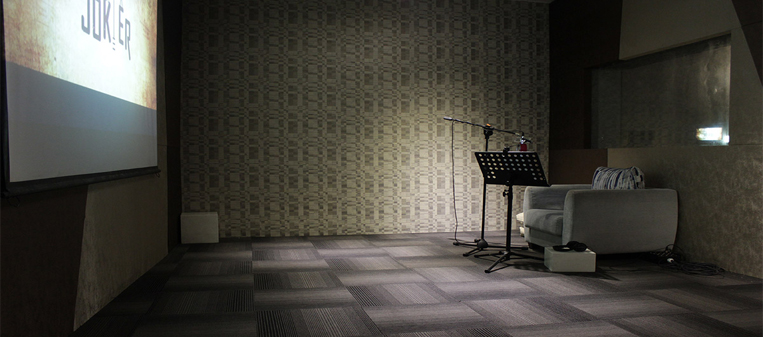
5. Voice Actor Comfort: Voice actors need to feel comfortable and relaxed to deliver their best performances. Consider ergonomic seating, proper lighting, temperature control, and a comfortable booth design. A small table for scripts, a music stand or monitor for reference video, and a gooseneck light for script reading are thoughtful additions.
6. Monitoring and Communication: Professional dubbing studios require clear communication between the voice actor and the director/engineer. This includes talkback systems, high-quality headphones for talent, and clear sightlines or video monitoring between the booth and control room.
7. Control Room Integration: The control room should have a clear view of the recording booth, with high-quality studio monitors, mixing consoles, and computer systems for recording and editing. Proper acoustic treatment of the control room ensures accurate monitoring for post-production decisions.
"The best dubbing studios are invisible to the voice actor—they allow performers to focus entirely on their craft, knowing that the technical environment will capture every word with pristine quality."
Acoustic Design Considerations for Dubbing Studios
1. Reverberation Time (RT60): For dubbing studios, the ideal RT60 is typically between 0.3 to 0.5 seconds, providing a controlled acoustic environment without sounding dead. This is achieved through a combination of absorption and diffusion materials placed strategically throughout the room.
2. Soundproofing Standards: Professional dubbing studios aim for STC (Sound Transmission Class) ratings of 60-70, ensuring excellent sound isolation from external noise sources. This requires double-wall construction, acoustic sealants, and specialized building materials.
3. Flooring Considerations: Hard flooring can create unwanted reflections, while carpet can help absorb sound. The optimal solution often involves a combination of materials—raised acoustic flooring with carpet covering or specialized acoustic floor tiles.
4. HVAC System Design: Ventilation systems must be designed for quiet operation, with sound baffles and vibration isolation to prevent noise contamination. The system should maintain comfortable temperatures without requiring noisy fans during recording sessions.
5. Variable Acoustics: Some dubbing studios benefit from variable acoustic systems that allow the room's sound character to be adjusted for different types of productions. This can be achieved through movable panels, adjustable curtains, or modular acoustic products.
Equipment Selection for Dubbing Studios
1. Microphones: The choice of microphone significantly impacts voice quality. Popular choices for dubbing include: - Large-diaphragm condenser microphones (Neumann U87, AKG C414) - Dynamic microphones for specific voice characteristics - Shotgun microphones for on-set style recordings - Multiple microphone types to accommodate different voice qualities and production requirements
2. Audio Interfaces: Professional audio interfaces with high-quality preamps and AD/DA converters are essential. Look for interfaces with: - Pristine preamps with low noise - Multiple input options for versatility - Low-latency monitoring capability - Professional connectivity (Thunderbolt, USB-C, or MADI)
3. Studio Monitors: Accurate monitoring is crucial for post-production work. Consider: - Near-field monitors for detailed listening - Full-range monitors for checking low-end - Subwoofers for monitoring low frequencies - Monitor placement and room position to ensure accuracy
4. Headphones: Voice actors need comfortable, high-quality headphones. Consider: - Closed-back design to prevent leakage into microphones - Comfortable fit for extended sessions - Accurate frequency response for monitoring - Multiple headphone outputs for director and talent
5. Recording Software: Digital Audio Workstations (DAWs) like Pro Tools, Adobe Audition, or Studio One provide the platform for recording and editing dubbing tracks. Features to consider include: - Support for timecode and video synchronization - Powerful editing tools for precise work - Plugin compatibility for processing - Session management and workflow optimization
Studio Workflow and Best Practices
1. Session Preparation: Proper session setup saves time and reduces stress during recordings. This includes: - Importing reference video and audio - Creating session templates for different types of projects - Organizing tracks for efficient workflow - Setting up monitor mixes for talent and director
2. Talent Preparation: Help voice actors deliver their best performances by: - Providing clear instructions and direction - Allowing time for warm-ups and familiarity with the space - Addressing any technical concerns before recording - Creating a comfortable, supportive atmosphere
3. Recording Protocols: Implement consistent recording practices: - Leave room tone recordings for post-production - Maintain consistent levels throughout sessions - Document takes and marks clearly - Backup recordings regularly during sessions
4. Quality Control: Regular quality checks ensure professional results: - Listen critically to recordings during and after sessions - Check for technical issues (clipping, noise, phase problems) - Verify synchronization with video - Document any issues for post-production attention
Budget Considerations for Dubbing Studio Setup
Dubbing studio costs vary widely based on requirements:
Budget Studio (Beginners/Home): $5,000-$15,000 - Basic acoustic treatment - Entry-level microphone and interface - Reasonable sound isolation - Basic monitoring and recording system
Mid-Range Studio: $15,000-$50,000 - Professional acoustic treatment - Quality microphones and preamps - Good sound isolation - Professional monitoring and recording system
Professional Studio: $50,000-$200,000+ - Custom acoustic design and construction - High-end microphones and outboard gear - Excellent sound isolation - Sophisticated monitoring and communication systems
"Investing in a professional dubbing studio isn't just about buying equipment—it's about creating an environment where voice actors can shine and productions can meet the highest standards of quality."
Common Mistakes to Avoid in Dubbing Studio Setup
1. Underestimating Acoustic Treatment: Many new studios spend too much on equipment and not enough on room treatment. Remember: even the best microphone can't compensate for poor room acoustics.
2. Inadequate Sound Isolation: Sound leakage from outside or between rooms can ruin recordings. Invest in proper sound isolation from the beginning, as retrofitting is often more expensive.
3. Poor Microphone Choice: Not all microphones suit all voices. Consider renting or borrowing different microphones to test before committing to a purchase.
4. Neglecting Comfort: Voice actors need to be comfortable to deliver their best performances. Don't overlook ergonomic seating, proper lighting, and room climate control.
5. Insufficient Monitoring: Poor monitoring leads to poor recordings. Ensure your monitoring system is accurate and provides adequate volume without distortion.
6. Ignoring Ventilation: Studios need fresh air, but noisy HVAC systems ruin recordings. Design ventilation systems for quiet operation from the start.
7. Overcomplicating Technology: While advanced technology is valuable, keeping systems reliable and user-friendly is equally important. Complex setups can lead to technical issues and lost recording time.
Future Trends in Dubbing Studio Design
1. Remote Dubbing: Increasingly, dubbing studios are being designed to support remote voice talent. This requires robust audio-over-IP systems, low-latency communication, and reliable network infrastructure.
2. Immersive Audio: With the growth of Dolby Atmos and other immersive formats, dubbing studios are being equipped to handle multi-channel recordings and 3D audio integration.
3. AI-Assisted Tools: Artificial intelligence is beginning to assist with time-alignment, noise reduction, and even voice matching, potentially streamlining dubbing workflows.
4. Sustainable Design: Environmental considerations are increasingly important, with studios using eco-friendly acoustic materials, energy-efficient lighting, and green building practices.
5. Flexible Studios: Studios are being designed to accommodate multiple production types (dubbing, ADR, narration, voiceover) with adjustable acoustics and adaptable systems.
Conclusion
Creating a professional dubbing studio requires careful attention to acoustic design, equipment selection, and workflow optimization. Whether you're building a facility for commercial production or setting up a home studio for freelance work, the principles remain the same: create a space where voice actors can deliver their best performances and engineers can capture those performances with professional-quality sound.
Investing in proper acoustic treatment, quality equipment, and thoughtful design pays dividends in the quality of recordings and the efficiency of productions. With the right setup, your dubbing studio can become a hub of creative excellence, supporting voice actors in bringing characters to life and productions to their full potential.
Remember, a great dubbing studio is more than the sum of its equipment—it's an environment where technology supports artistry, and where every voice is heard as it deserves to be.