Enhancing Cinematic Experience: Unraveling the Magic of Cinema Theater Acoustics
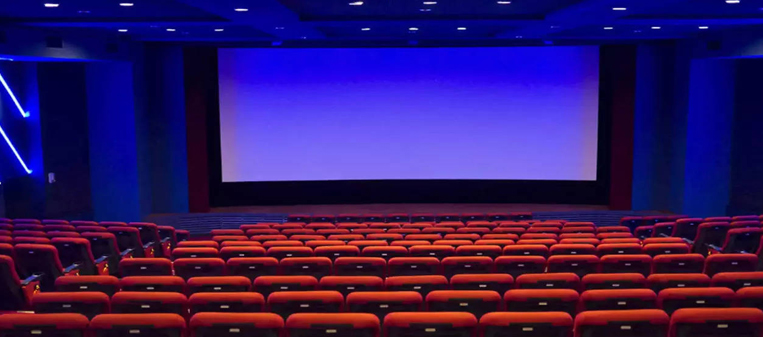
There's something truly magical about stepping into a cinema theater—the dimmed lights, the larger-than-life screen, and the immersive sound that transports you into another world. While we often credit stunning visuals for our cinematic experiences, the unsung hero behind these memorable moments is the intricate science of cinema theater acoustics. This comprehensive guide explores how expert acoustic design creates the magic that makes movies unforgettable.
Cinema theater acoustics is a sophisticated blend of art and science that has evolved dramatically since the early days of film. From the silent era to today's complex surround sound systems, the goal has always been the same: to create an immersive audio experience that complements the visual storytelling and makes audiences feel like they're part of the action.
"In cinema, sound is not just an accompaniment to the visuals—it's half the experience. Great theater acoustics make you feel the rumble of an explosion, the whisper of a secret, and the swell of an emotional score as if you were living inside the film itself."
The Evolution of Cinema Sound
The journey of cinema sound began in the silent film era, where live musicians would accompany screenings to enhance the emotional impact. The introduction of synchronized sound in 1927 with "The Jazz Singer" revolutionized the industry, and since then, audio technology has continued to advance at an extraordinary pace.
Today's cinema theaters feature sophisticated sound systems capable of reproducing audio with incredible clarity and precision. From THX-certified theaters to Dolby Atmos installations, modern cinema acoustics are designed to deliver an unparalleled listening experience that places viewers at the center of the action.
Key Elements of Cinema Theater Acoustic Design
1. Room Geometry and Shape: The shape and dimensions of a cinema theater significantly impact its acoustic properties. Modern theaters are typically designed with sloping floors (raked seating) and specific wall angles to minimize sound reflections and ensure that every seat in the house receives optimal sound quality. The famous "shoebox" design of classic theaters has given way to more acoustically efficient shapes that reduce unwanted echoes and standing waves.
2. Acoustic Treatment Materials: Cinema theaters employ a variety of acoustic treatments to control sound. This includes sound-absorbing panels on walls and ceilings, acoustic curtains, and specialized wall construction that prevents sound from leaking out or in. These materials work together to create a controlled acoustic environment where the audience hears only what the filmmakers intended.
3. Speaker Placement and Calibration: The placement of speakers is critical to achieving an immersive cinematic experience. Modern theaters feature a sophisticated array of speakers positioned around the room: behind the screen (for front channels), along the walls and ceiling (for surround and height channels), and specialized subwoofers for low-frequency effects. Each speaker is carefully calibrated to ensure consistent sound levels and timing throughout the theater.
4. Sound Isolation: One of the most critical aspects of cinema theater acoustics is preventing sound from entering or leaving the theater. This involves double-wall construction, acoustic seals on doors, and floating floors that prevent vibration transmission. Sound isolation ensures that the movie audio is pristine and that neighboring theaters don't interfere with each other.
5. Bass Management: Low-frequency sound, or bass, requires special attention in cinema design. Subwoofers are strategically placed, and bass traps are used to control unwanted resonances. The goal is to deliver powerful, tight bass without overloading the room or creating muddy sound.
6. Digital Signal Processing (DSP): Modern theaters use sophisticated DSP to fine-tune audio in real-time. This technology can adjust for variations in temperature, humidity, and even the number of people in the room, ensuring consistent sound quality for every screening.
7. Surround Sound Technologies: Today's cinema theaters employ advanced surround sound formats like Dolby Atmos, DTS:X, and THX. These technologies use object-based audio, where sound elements are placed in a three-dimensional space rather than being tied to specific channels. This creates a more realistic and immersive audio experience.
"The best cinema audio is invisible—you don't notice the speakers or the science behind them. You only feel the emotion of the film, whether it's the quiet tension of a thriller or the explosive excitement of an action blockbuster."
The Psychology of Cinema Sound
Beyond the technical aspects, cinema theater acoustics play a crucial psychological role in the movie-watching experience. Sound has a profound effect on our emotions—a tense score can make us feel anxious, while a soaring soundtrack can bring us to tears. Expert acoustic design enhances these emotional responses by delivering sound with precision and clarity, allowing us to become fully immersed in the story.
Research has shown that audiences perceive films with superior sound quality more favorably, rating them higher in engagement and enjoyment. This is why many filmmakers consider sound to be fifty percent of the cinematic experience—and why investing in theater acoustics is crucial for delivering the full emotional impact of their work.
Special Considerations for Different Cinema Formats
IMAX Theaters: IMAX theaters feature curved screens and specialized sound systems that create an incredibly immersive experience. The acoustics in these theaters are designed to handle the unique audio requirements of IMAX films, which often feature more dynamic audio ranges and more complex sound design.
Dolby Cinema: Dolby Cinema combines high dynamic range video with Dolby Atmos sound to create a premium cinema experience. The acoustic design of Dolby Cinema theaters includes specific reflectivity requirements for the screen, targeted sound absorption, and precise speaker calibration to deliver the full power of Dolby's technologies.
Drive-in Theaters: While less common today, drive-in theaters present unique acoustic challenges. Sound must be transmitted via FM radio or traditional speakers, and the outdoor environment requires different acoustic considerations than indoor theaters. Acoustic design focuses on delivering clear audio without disturbing neighboring cars or the surrounding area.
The Role of Acoustical Consultants in Cinema Design
Designing a cinema theater with optimal acoustics requires specialized knowledge and experience. Acoustical consultants work closely with architects, engineers, and theater owners to create spaces that meet exacting sound standards. Their services include:
1. Acoustic Modeling: Using advanced computer modeling software, consultants can predict how sound will behave in a theater before it's built. This allows them to identify potential issues and optimize the design for the best possible audio performance.
2. Material Selection: Consultants recommend appropriate acoustic materials based on the theater's specific requirements, balancing acoustic performance with aesthetic considerations and budget constraints.
3. System Design: Working with AV specialists, acoustical consultants help design sound systems that meet the theater's requirements for clarity, coverage, and impact.
4. Commissioning and Tuning: Once a theater is built, consultants oversee the commissioning and tuning of the audio system, ensuring that it meets the performance specifications and delivers the intended cinematic experience.
5. Ongoing Support: Many consultants provide ongoing support to theater owners, helping them maintain their acoustic systems and address any issues that arise over time.
Future Trends in Cinema Theater Acoustics
The cinema industry is continuously evolving, and acoustics are at the forefront of innovation. Emerging trends include:
1. Personalized Audio Experiences: Future cinemas may offer personalized audio, where each viewer can adjust their sound experience through headphones or localized sound systems. This could be particularly beneficial for people with hearing impairments.
2. Sustainable Acoustic Materials: Increasingly, theaters are using sustainable and environmentally friendly acoustic materials made from recycled content or natural fibers, reflecting a broader commitment to environmental sustainability.
3. AI-Enhanced Acoustics: Artificial intelligence could potentially be used to analyze and adjust theater acoustics in real-time, optimizing the audio experience based on the content being shown and the audience's composition.
4. Immersive Audio Technologies: As sound technologies continue to evolve, we can expect even more immersive audio experiences in the future, possibly including haptic feedback and 3D audio that creates an even more realistic sense of presence.
5. Multi-Sensory Experiences: Some theaters are exploring multi-sensory experiences that combine advanced acoustics with other sensory elements like scent, vibration, and temperature changes to create a fully immersive cinematic experience.
"The magic of cinema lies in its ability to make us believe—for a few hours—that we're somewhere else entirely. And while the visuals paint the picture, it's the sound that makes that picture come alive. Great acoustics are the invisible enchantment that transforms watching into feeling."
Conclusion
The magic of cinema theater acoustics is an invisible but essential element of the movie-watching experience. From the design of the room to the placement of speakers and the use of advanced audio technologies, every aspect of theater acoustics is carefully crafted to deliver an immersive sound experience that enhances the emotional impact of filmmaking.
As technology continues to evolve, cinema theater acoustics will only become more sophisticated, offering audiences even more immersive experiences. But regardless of the specific technologies used, the goal will always be the same: to create a space where we can escape reality and become lost in the world on the screen.
Whether you're a movie enthusiast, a filmmaker, or a theater owner, understanding the principles of cinema theater acoustics can deepen your appreciation for the art of sound in film and help you create or choose spaces that deliver the optimal cinematic experience. After all, the best movie experiences aren't just seen—they're heard and felt, reverberating in our memories long after the credits roll.
Next time you settle into your seat at the cinema, take a moment to appreciate the invisible magic surrounding you—the carefully designed acoustics that make every whisper, explosion, and musical note resonate with clarity and emotion. It's a testament to the power of expert acoustic design and the enduring magic of cinema.