Studio Acoustic Design at Pondicherry: Create Optimal Sound Environments
Pondicherry, with its unique blend of French colonial charm and vibrant Indian culture, has emerged as a thriving hub for creative professionals, musicians, and audio enthusiasts. Whether you're setting up a professional recording studio, a home theater, or a content creation space, achieving optimal sound quality requires expert studio acoustic design. This comprehensive guide explores the principles, techniques, and benefits of professional studio acoustic design in Pondicherry.
Studio acoustic design is the art and science of creating spaces that deliver pristine, accurate sound reproduction. Unlike regular rooms, recording studios and critical listening environments demand precise control over sound reflections, reverberation, and ambient noise. Poor acoustics can compromise recordings, mix decisions, and the overall listening experience, making professional acoustic design an essential investment for serious audio professionals.
"In the world of audio production, the room is your most important instrument. Even the finest equipment can't overcome poor acoustics. Studio acoustic design in Pondicherry isn't just about soundproofing—it's about creating an environment where creativity can flourish without technical limitations."
Why Pondicherry Demands Professional Studio Acoustic Design
Pondicherry's unique environment presents both opportunities and challenges for studio acoustic design:
1. Architectural Character: Many buildings in Pondicherry feature distinct architectural elements—high ceilings, large windows, and tiled floors—that create a charming aesthetic but pose significant acoustic challenges. Professional acoustic design helps preserve the architectural character while optimizing sound performance.
2. Climate Considerations: Pondicherry's tropical climate can affect acoustic materials and equipment. Experienced acoustic designers select materials that perform well in humid conditions and recommend appropriate climate control measures to protect sensitive audio gear.
3. Diverse Creative Community: Pondicherry is home to musicians, filmmakers, content creators, and artists from around the world. This diversity demands versatile studio spaces that can accommodate various recording and production needs, from classical music to electronic production.
4. Eco-Conscious Design: Many Pondicherry residents prioritize sustainability. Modern studio acoustic design increasingly incorporates eco-friendly materials and energy-efficient solutions that align with these values.
Essential Elements of Studio Acoustic Design
1. Room-in-Room Construction: The most effective way to achieve sound isolation is through room-in-room construction—building a floating room within the existing structure. This decouples the studio from the main building, preventing sound transmission and external noise intrusion.
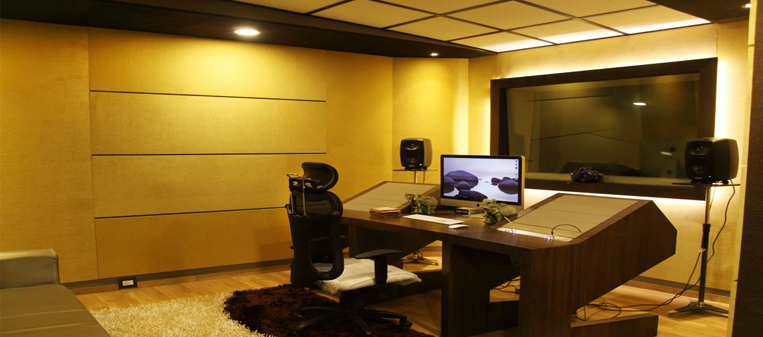
2. Acoustic Treatment: Strategic placement of acoustic panels, bass traps, and diffusers controls reflections and reverberation. A well-treated room provides a neutral acoustic environment where you can hear recordings accurately without coloration from the room itself.
3. Bass Management: Low-frequency energy requires specialized treatment. Bass traps in corners and strategically placed absorption materials ensure tight, accurate bass reproduction without excessive buildup or boominess.
4. Reflection Control: Early reflections from walls, ceiling, and floor can create phase issues and comb filtering that compromise sound quality. Absorption at first reflection points ensures that what you hear is direct sound from speakers, not problematic room reflections.
5. Ambient Noise Control: Isolating the studio from external noise sources—traffic, neighbors, HVAC systems—requires careful planning of walls, windows, doors, and ventilation systems.
6. Monitoring System Optimization: Professional studio acoustic design includes optimizing speaker placement and calibration for the specific room. This ensures that monitoring systems deliver accurate, reliable sound for mixing and mastering decisions.
7. Visual Aesthetics: While acoustics are paramount, studios in Pondicherry often incorporate aesthetic elements that reflect local culture and creative identity. Custom fabric colors, wooden finishes, and artistic wall treatments can be integrated without compromising acoustic performance.
"The best studio acoustic design is invisible—you're not aware of the science behind it, only the incredible clarity and precision of the sound. At Pondicherry's best studios, creativity flows because the technical constraints have been designed out of the equation."
The Studio Acoustic Design Process
Professional studio acoustic design follows a systematic process:
1. Consultation and Requirements Analysis: Understanding the client's specific needs—recording types, equipment, budget, and timeline—establishes the foundation for the design process.
2. Site Assessment: Acoustic consultants visit the site to measure room dimensions, identify potential acoustic issues, and understand structural constraints.
3. Acoustic Modeling: Using specialized software, consultants create acoustic models that predict how sound will behave in the space. This allows for virtual testing of different treatment configurations before implementation.
4. Design Development: Based on modeling results, the design team develops a comprehensive acoustic treatment plan, specifying materials, placement, and construction requirements.
5. Implementation: Skilled craftspeople implement the design, installing acoustic treatments with precision and attention to detail.
6. Testing and Calibration: Once installed, the room undergoes extensive testing to verify acoustic performance and make any necessary adjustments. This includes frequency response measurements, RT60 analysis, and speaker calibration.
7. Final Delivery: The completed studio is delivered with documentation of acoustic performance, maintenance recommendations, and operational guidance.
Common Studio Acoustic Design Mistakes to Avoid
1. Over-Absorption: Too much absorption creates a dead, unnatural sound that doesn't translate well to other listening environments. A balance of absorption and diffusion is essential.
2. Ignoring Low Frequencies: Many amateur designs focus on mid and high frequencies while neglecting bass control. Professional studio acoustic design addresses the full frequency spectrum.
3. Improper Speaker Placement: Even the best speakers sound bad when poorly positioned. Correct placement relative to room boundaries and the listening position is crucial.
4. Neglecting Ventilation: Studios need fresh air, but ventilation systems can introduce noise. Proper design includes quiet HVAC systems and acoustic baffling.
5. Using Inappropriate Materials: Not all acoustic materials perform equally. Professional design specifies materials that achieve the desired acoustic performance while meeting aesthetic and budgetary requirements.
Studio Acoustic Design for Different Applications
Recording Studios: Need controllable acoustics with adjustable treatment options for different recording scenarios. A combination of absorption and variable acoustics (movable panels, curtains) provides versatility for tracking various instruments and vocal styles.
Mixing and Mastering Studios: Require neutral acoustics that allow accurate listening without room coloration. These studios prioritize precise frequency response and minimal reflections for critical decision-making.
Home Theaters: Focus on immersive sound experiences with controlled acoustics that enhance cinematic enjoyment. Careful attention to surround speaker placement and bass management creates a theater-like experience.
Content Creation Studios: Designed for podcasting, voiceover, and video production, these spaces require speech clarity and minimal background noise. Acoustic treatment focuses on reducing reverberation and controlling room reflections.
Live Performance Spaces: Need acoustics that enhance audience experience while providing good monitoring for performers. Variable acoustics allow the space to adapt to different performance types.
Sustainable Studio Acoustic Design
Modern studio design increasingly incorporates sustainable practices:
1. Eco-Friendly Materials: Products made from recycled content, natural fibers, and sustainably sourced wood provide acoustic performance with reduced environmental impact.
2. Energy Efficiency: Proper insulation and acoustic design often also improve thermal insulation, reducing energy consumption for climate control.
3. Longevity: Durable, high-quality materials reduce the need for replacement, minimizing waste and resource consumption over the studio's lifespan.
4. Local Sourcing: Using materials and craftspeople from the Pondicherry region supports the local economy and reduces transportation emissions.
5. Adaptable Design: Studios designed for flexibility can adapt to changing needs without extensive renovation, extending their useful life.
Choosing the Right Studio Acoustic Design Partner
For Pondicherry studio projects, selecting an experienced acoustic design partner is crucial. Consider:
1. Track Record: Look for consultants with demonstrable experience in projects similar to yours. A portfolio of successful studio designs indicates expertise.
2. Local Knowledge: Understanding of Pondicherry's specific challenges—building materials, climate, available resources—ensures practical, effective solutions.
3. Comprehensive Services: Consultants who offer end-to-end services—from consultation through implementation and testing—streamline the project and ensure consistent quality.
4. Technical Expertise: Professional accreditation, relevant certifications, and continuing education demonstrate commitment to staying current with evolving technologies and techniques.
5. Communication: Clear, regular communication throughout the project ensures alignment on goals, expectations, and progress.
"At its best, studio acoustic design in Pondicherry combines international standards with local character. The most successful studios in Pondicherry reflect the unique culture and creative energy of this beautiful coastal city while delivering world-class acoustic performance."
Conclusion
Studio acoustic design is an essential investment for anyone seeking professional-quality sound in Pondicherry. From recording studios to home theaters, well-designed acoustics enhance every aspect of the audio experience, ensuring that you hear and capture sound accurately and beautifully.
Whether you're a musician, producer, content creator, or audiophile, professional studio acoustic design helps you achieve your creative goals without technical limitations. With expert guidance from experienced acoustic designers, your Pondicherry studio can become a space where creativity flows freely and exceptional sound is the standard.
As Pondicherry's creative community continues to grow, the demand for professional studio acoustic design will only increase. Investing in high-quality acoustics not only enhances your immediate experience but also contributes to a vibrant, sustainable creative ecosystem in this unique and beautiful city.
Remember, the room is your most important instrument—make sure it's tuned for excellence.