Enhancing Conference Hall Acoustic Design: Expert Tips and Techniques
When it comes to hosting successful conferences, one critical but often overlooked aspect is the acoustic design of the conference hall. Poor acoustics can significantly impact the overall experience, hindering communication, and reducing the effectiveness of presentations. To ensure your conference hall provides optimal sound quality and an immersive environment, follow these expert tips and strategies:
"Great conference hall acoustics don't happen by accident—they result from careful planning, expert design, and a deep understanding of how sound interacts with space. When done right, they elevate every presentation and leave audiences inspired and informed."
1. Assess the Existing Acoustics: Begin by evaluating the current acoustic conditions of the conference hall. Take note of any echo, reverberation, or unwanted noise that may interfere with clear communication. Conducting a thorough acoustic assessment helps identify problem areas and provides a baseline for improvement.
2. Optimize Room Layout: The room's layout can greatly influence sound distribution. Consider arranging seating in a way that minimizes sound reflections and ensures every attendee can hear the speaker clearly. Proper seating configuration, including tiered seating where possible, can significantly improve sightlines and sound delivery.
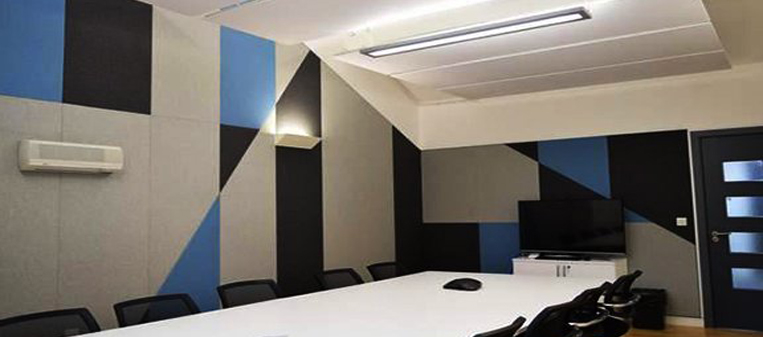
3. Choose Appropriate Materials: Select acoustic materials specifically designed for conference hall settings. Acoustic panels, diffusers, and sound-absorbing materials strategically placed on walls and ceilings can help control sound reflections and improve speech intelligibility. Consider materials like fabric-wrapped panels, perforated wood, and acoustic foam for optimal performance.
4. Address HVAC Noise: Heating, ventilation, and air conditioning (HVAC) systems can be a major source of noise. Opt for quieter HVAC units or integrate noise-reducing features to ensure a comfortable and distraction-free environment. Proper duct design, vibration isolation, and acoustic lining can significantly reduce mechanical noise intrusion.
5. Invest in Quality Sound Systems: High-quality audio equipment, including microphones, microphones, speakers, and amplifiers, is essential for delivering clear and consistent sound throughout the conference hall. Modern line array systems and digital mixing consoles provide superior sound quality and coverage for large venues.
6. Consider Portable Acoustic Solutions: If your conference hall is a multi-purpose space, invest in portable acoustic solutions like sound barriers and movable partitions to tailor the acoustics for different event types. Retractable banners, adjustable acoustic panels, and modular wall systems offer flexibility for various configurations.
7. Employ Digital Signal Processing (DSP): DSP technology can be used to fine-tune the audio system and adapt it to the specific acoustic characteristics of the conference hall. Advanced DSP systems can automatically adjust EQ, delay, and dynamics to maintain consistent sound quality regardless of occupancy or content type.
8. Seek Professional Acoustic Consultation: If you're unsure about the best acoustic design for your conference hall, consider consulting with acoustic experts. They can analyze your space, identify potential issues, and recommend tailored solutions. Professional consultants provide valuable expertise in acoustic modeling, material selection, and system design.
9. Conduct Sound Tests: Regularly conduct sound tests and simulations to ensure the acoustic design remains optimal for different event setups. Testing should include speech intelligibility measurements, frequency response analysis, and coverage mapping to verify system performance.
10. Educate Staff and Attendees: Educate conference staff and attendees about the importance of maintaining good acoustic conditions, such as reducing unnecessary noise and speaking clearly during presentations. Awareness and cooperation from all participants contribute to a successful acoustic environment.
"The true measure of a conference hall's success lies not in its architectural grandeur, but in the clarity with which every word reaches every ear in the audience. Excellent acoustics ensure that every presentation is heard, understood, and remembered."
By following these expert tips and implementing appropriate acoustic strategies, you can create a conference hall that enhances communication, elevates the overall experience, and leaves a lasting positive impression on your event attendees. Remember, a well-designed acoustic environment not only fosters better engagement but also reflects the professionalism and attention to detail that sets your conference apart from the rest.
Whether you're building a new conference facility or upgrading an existing space, investing in quality acoustic design pays dividends in attendee satisfaction and event success. The result is a venue where ideas resonate, connections are made, and lasting impressions are formed.