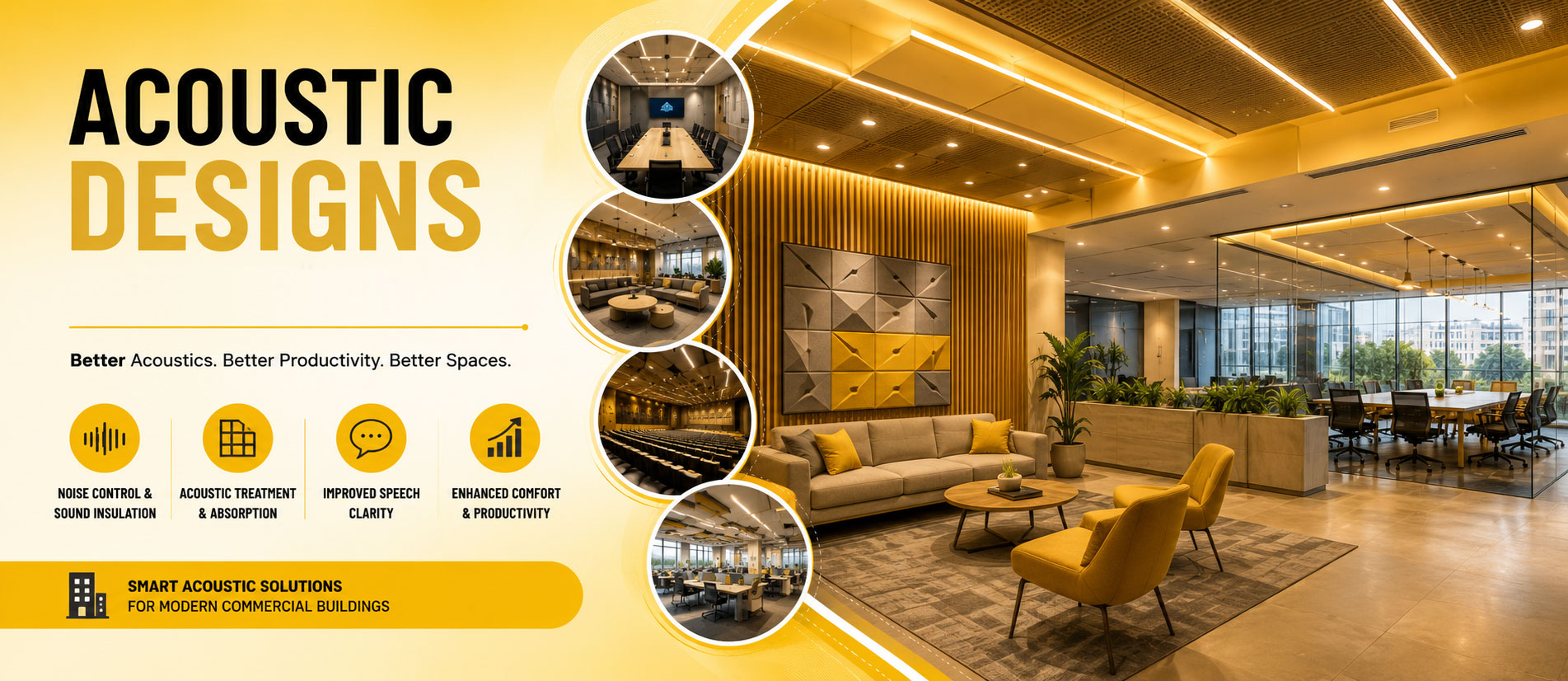
Restaurants are designed to provide memorable experiences through food, service and atmosphere. However, one factor that is often overlooked is the acoustic environment. Excessive background noise, reverberation and poor speech clarity can make it difficult for customers to communicate comfortably and enjoy their dining experience.
Acoustic design for restaurants focuses on controlling sound within the dining environment. By carefully selecting acoustic materials, managing reflections and considering the layout of the space, restaurants can create comfortable environments where conversations remain clear while maintaining the desired ambience.
A well-designed restaurant should not only look beautiful and sound
impressive; it should also allow customers to enjoy comfortable
conversations without unnecessary background noise.
Why Restaurant Acoustics Matter
Noise levels have a direct impact on how customers perceive a restaurant. When background noise becomes excessive, people may need to raise their voices to communicate. This can create a cycle in which conversations become progressively louder, increasing the overall sound level in the dining area.
Good acoustic design helps break this cycle by reducing unwanted reflections and controlling reverberation. The result is a more pleasant environment for customers as well as a more comfortable workplace for restaurant staff.
Common Acoustic Problems in Restaurants
Restaurants can experience several acoustic challenges depending on their size, layout, materials and occupancy levels.
- Excessive Reverberation: Hard surfaces such as glass, concrete, stone and polished floors reflect sound and can increase reverberation.
- High Background Noise: Conversations, kitchen equipment, music and mechanical systems can contribute to elevated background noise.
- Poor Speech Clarity: Excessive reflections can make conversations difficult to understand, especially in busy dining areas.
- Noise from the Kitchen: Kitchen equipment, preparation activities and service areas can introduce unwanted sound into customer spaces.
- Sound Transfer: Sound can travel between dining areas, private rooms, kitchens, corridors and adjacent spaces.
Key Acoustic Design Strategies
A successful restaurant acoustic design combines several techniques rather than relying on a single acoustic product or material.
1. Acoustic Absorption
Absorptive materials help reduce reflected sound energy and control reverberation. Acoustic ceiling panels, wall panels, upholstered furniture and other appropriate treatments can be incorporated into the interior design.
2. Acoustic Ceilings and Ceiling Clouds
The ceiling is often one of the largest available surfaces for acoustic treatment. Suspended acoustic ceilings and acoustic ceiling clouds can absorb sound while also becoming an important part of the restaurant's visual design.
3. Wall Acoustic Treatment
Strategically positioned acoustic wall panels can reduce reflections and improve speech clarity. These treatments can be customized to complement colours, textures and architectural features within the restaurant.
4. Soft Furnishings and Interior Elements
Curtains, upholstered seating, carpets, rugs and other soft materials can contribute to sound absorption. These elements can provide acoustic benefits while supporting the overall interior concept.
5. Controlling Noise from Service Areas
Kitchens, dishwashing areas, refrigeration equipment and mechanical systems can generate significant noise. Proper planning and acoustic isolation can help prevent these sounds from dominating the dining environment.
Restaurant Layout and Acoustic Planning
Acoustic performance is strongly influenced by the layout of a restaurant. Dining tables, seating arrangements, partitions and circulation areas can affect the way sound travels through the space.
Zoning can be particularly useful. High-energy areas can be separated from quieter dining zones, while private dining rooms can receive additional acoustic isolation where required.
Balancing Music and Conversation
Music is an important part of the atmosphere in many restaurants. However, the background music level should be carefully considered. Excessive music levels can make conversations difficult and contribute to overall acoustic discomfort.
Acoustic treatment can help create a better balance between music, conversations and other restaurant sounds, allowing the intended atmosphere to remain without sacrificing communication.
Acoustic Materials for Restaurants
- Acoustic ceiling panels
- Suspended acoustic clouds
- Fabric-wrapped acoustic wall panels
- Acoustic baffles
- Upholstered furniture
- Carpets and rugs
- Decorative acoustic panels
The appropriate combination depends on the size of the restaurant, ceiling height, interior materials, expected occupancy and acoustic objectives.
Acoustic Design for Different Restaurant Types
Different restaurant concepts require different acoustic strategies. A fine-dining restaurant may prioritize quiet conversation and privacy, while a busy casual restaurant may need stronger reverberation control because of higher occupancy and activity levels.
Cafes, food courts, bars, hotel restaurants and large dining halls can also have very different acoustic requirements. Acoustic design should therefore be developed according to the specific characteristics and operational requirements of each space.
Improving Customer Comfort
Acoustic comfort is an important part of the overall customer experience. When customers can communicate easily without constantly raising their voices, the restaurant can feel more relaxed and welcoming.
A comfortable acoustic environment can also support longer conversations, improve perceived ambience and contribute to a more positive impression of the restaurant.
Professional Acoustic Assessment
Before selecting acoustic materials, it is important to understand the existing or expected acoustic conditions. A professional acoustic assessment can evaluate factors such as room dimensions, surface materials, reverberation, background noise and expected occupancy.
Based on the assessment, acoustic consultants can recommend suitable treatment locations and materials while considering architectural appearance, functionality and budget.
Acoustic Design from Ray Acoustics
At Ray Acoustics, we understand that restaurant acoustics must balance technical performance with architectural aesthetics. Our acoustic design approach considers the complete environment, including room geometry, interior materials, occupancy, background noise and the intended customer experience.
We provide customized acoustic solutions designed to integrate with the architectural and interior design of restaurants. From acoustic assessment and modelling to material selection and treatment planning, our solutions are developed to create comfortable and visually appealing dining environments.
Conclusion
Acoustic design plays an important role in creating comfortable, enjoyable and functional restaurant environments. By controlling reverberation, reducing unwanted reflections and managing background noise, restaurants can provide better conditions for conversation and improve the overall dining experience.
The best results come from integrating acoustic considerations into the design process from the beginning rather than treating sound problems after construction is complete.
Ray Acoustics can help restaurants develop acoustic environments that combine comfort, functionality and architectural appeal. Contact us to discuss your restaurant acoustic requirements and create a space where great food and great conversations can be enjoyed together.