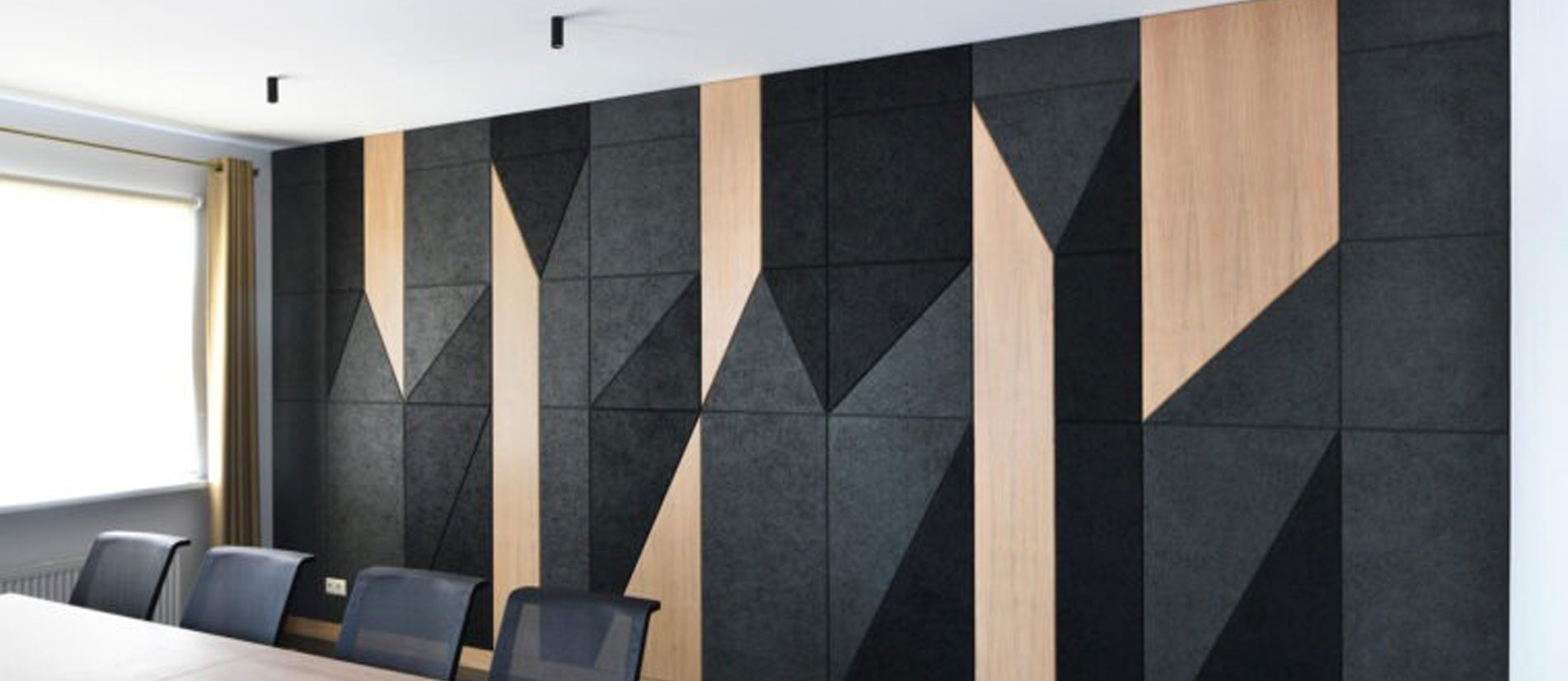
Acoustic panels are one of the most effective and popular solutions for improving sound quality in a wide range of environments—from recording studios and home theaters to offices, restaurants, and educational institutions. These panels are designed to absorb sound energy, reducing unwanted reflections, echo, and reverberation, while also enhancing clarity and intelligibility. But how exactly do acoustic panels work, and what makes them so effective at transforming the acoustic character of a room?
In this comprehensive guide, we explore the science behind acoustic panels, the specific ways they improve sound quality, the different types available, and the key considerations for selecting and installing them. Whether you are a musician, a business owner, an architect, or a homeowner, understanding the benefits of acoustic panels can help you create spaces that sound as good as they look.
"Acoustic panels are not just about absorbing sound—they are about shaping the auditory experience, making every word, note, and moment more impactful and enjoyable."
The Science Behind Acoustic Panels
Sound waves travel through the air and interact with surfaces in a room. When sound hits a hard, reflective surface (such as a wall, glass window, or concrete floor), a portion of the sound energy is reflected back into the room. Multiple reflections can create a prolonged sound decay known as reverberation, which causes the sound to become blurred and indistinct. In spaces with excessive reverberation, speech can be difficult to understand, and music may lose its definition.
Acoustic panels are designed to absorb sound energy rather than reflect it. They are typically made from porous materials such as fiberglass, mineral wool, foam, or polyester fiber. The sound waves enter the porous structure of the panel, where they are converted into tiny amounts of heat energy through friction and viscous losses. This effectively reduces the amount of reflected sound, thereby shortening the reverberation time and making the room acoustically "tighter."
Key Ways Acoustic Panels Improve Sound Quality
1. Reducing Echo and Reverberation
Echo occurs when a distinct repetition of a sound is heard after the original sound has stopped. Reverberation is the persistence of sound in a space after the source has stopped, caused by multiple reflections. Acoustic panels absorb sound energy, reducing both echo and reverberation. This is crucial in spaces like recording studios, where clarity and separation are paramount, and in lecture halls, where speech intelligibility is essential.
2. Improving Speech Intelligibility
In environments where clear communication is critical—such as conference rooms, classrooms, and healthcare settings—acoustic panels enhance speech intelligibility. By reducing background noise and reflections, panels ensure that spoken words are heard clearly, reducing the need for repetition and preventing misunderstandings. Studies have shown that appropriate acoustic treatment can improve speech intelligibility by up to 30%.
3. Controlling Sound Reflections
Uncontrolled reflections can cause comb filtering, phase cancellation, and other acoustic anomalies that degrade sound quality. Acoustic panels can be strategically placed to manage first reflections (the first sound waves that reach the listener after bouncing off a surface) and other problematic reflections. This results in a more accurate and balanced sound field, allowing the listener to hear the source material as it was intended.
4. Reducing Background Noise
While acoustic panels are primarily absorptive, they also contribute to reducing the overall noise level in a room. By absorbing sound energy, they prevent it from bouncing around and adding to the ambient noise floor. This is particularly beneficial in open-plan offices, where the cumulative sound from conversations, phones, and equipment can become a significant distraction.
5. Enhancing Audio Clarity and Detail
In high-fidelity listening environments, such as music studios and home theaters, acoustic panels allow listeners to hear the full nuance of audio recordings. By minimizing unwanted reflections and reverberation, panels reveal subtle details in music and dialogue that might otherwise be masked. This creates a more immersive and emotionally engaging listening experience.
6. Creating a Balanced Frequency Response
Rooms often have uneven frequency response due to resonant modes and standing waves. Acoustic panels, especially those designed to target specific frequency ranges (e.g., bass traps), can help flatten the frequency response by absorbing excess energy in certain bands. This results in a more natural and balanced sound reproduction.
Types of Acoustic Panels
1. Porous Absorbers (Fabric-Wrapped Panels)
These are the most common type of acoustic panels, consisting of a rigid fiberglass or mineral wool core wrapped in a decorative fabric. They are highly effective at absorbing mid- to high-frequency sound and are available in a wide range of colors, shapes, and sizes. They are ideal for general-purpose sound absorption in offices, studios, and homes.
2. Bass Traps
Bass traps are specialized acoustic panels designed to absorb low-frequency sound (typically below 250 Hz). They are essential in recording studios and home theaters to control standing waves and resonance. Bass traps are often placed in corners where low-frequency energy builds up and can be made from rigid fiberglass or even foam with specific cavity designs.
3. Diffusive Panels
Diffusive panels scatter sound waves in multiple directions rather than absorbing them. They are used to break up strong reflections and create a more even sound field without deadening the room. Diffusion is particularly useful in concert halls and high-end listening rooms to maintain a sense of spaciousness while reducing acoustic issues.
4. Perforated Wood Panels
These panels combine wood veneer with an acoustic core, providing both visual elegance and sound absorption. They are popular in corporate environments, restaurants, and theaters where aesthetics are as important as acoustic performance. The perforations allow sound to enter the porous core where it is absorbed.
5. Foam Panels
Acoustic foam panels are lightweight and cost-effective, making them a popular choice for home studios and budget-conscious projects. They come in various shapes (e.g., wedge, pyramid) and can be easily mounted on walls or ceilings. However, they tend to be less durable and have lower fire safety ratings compared to fiberglass panels.
6. Ceiling Clouds and Baffles
For large spaces, ceiling-suspended acoustic panels (clouds and baffles) are an excellent solution. They reduce ceiling reflections and can be placed directly above workstations or audience areas to provide localized acoustic treatment. They also add a contemporary architectural element to the space.
Factors to Consider When Choosing Acoustic Panels
1. Acoustic Performance (NRC Rating)
The Noise Reduction Coefficient (NRC) is a measure of a panel's sound absorption capability. The NRC ranges from 0 (no absorption) to 1.0 (perfect absorption). For most applications, panels with an NRC of 0.8 or higher are recommended. It's important to consider the frequency-specific absorption as well, as some panels are more effective at certain frequencies.
2. Fire Safety and Compliance
Acoustic panels must meet fire safety regulations, especially in public buildings. Panels with Class A fire ratings (ASTM E84) are widely used. It's crucial to verify that the chosen panels are certified and comply with local building codes and standards.
3. Aesthetics and Design
Acoustic panels are available in a vast array of colors, finishes, and custom shapes. They can be integrated into interior design seamlessly, serving both functional and decorative purposes. Custom-printed panels with artwork or branding are also increasingly popular.
4. Installation and Mounting
Panels can be mounted using adhesives, mechanical fixings (screws and brackets), or with a track-and-clip system. The choice depends on the substrate (wall material), the need for removability, and the design intent. For suspended ceilings, specialized hardware is required.
5. Environmental Sustainability
Eco-friendly panels made from recycled polyester, natural fibers, or sustainable wood products are available. For projects seeking green building certifications (LEED, BREEAM), choosing sustainable acoustic materials can contribute to achieving sustainability goals.
6. Cost and Budget
The cost of acoustic panels varies widely based on material, thickness, finish, and customization. While budget is a factor, it's important to balance cost with performance, as the cheapest option may not deliver the required acoustic improvement.
Strategic Placement of Acoustic Panels
To maximize the effectiveness of acoustic panels, proper placement is essential. Key areas to consider include:
- First Reflection Points: The areas on walls and ceiling where the first reflections from speakers or sound sources land. In studios, these are typically located at the side walls and ceiling above the listening position.
- Rear Wall: To reduce rear wall reflections that can cause phase issues, particularly in home theaters and studios.
- Corners: Bass traps should be placed in corners where low-frequency energy accumulates.
- Ceilings: In spaces with high ceilings, ceiling panels or clouds can reduce reverberation effectively.
- Open Areas: In open-plan offices, panels can be placed on workstations or used as freestanding dividers to control noise propagation.
Acoustic Panels in Different Environments
1. Recording Studios and Control Rooms
In professional studios, acoustic panels are essential for creating a controlled acoustic environment. Broadband absorbers, bass traps, and diffusers are used together to achieve a balanced, neutral sound that allows for accurate mixing and monitoring. Panels are carefully positioned based on acoustic modelling and measurements.
2. Home Theaters and Media Rooms
Acoustic panels in home theaters enhance the cinematic experience by improving clarity and reducing unwanted reflections. Panels on side walls, rear wall, and ceiling, along with bass traps in corners, create an immersive soundstage. Many home theaters combine panels with decorative fabrics to complement the interior design.
3. Corporate Offices and Meeting Rooms
In offices, acoustic panels reduce distractions, enhance speech privacy, and improve overall comfort. Panels are often integrated into ceiling systems, used as wall coverings, or as part of modular office furniture. They also help teams collaborate more effectively by ensuring that conversations are clear and unintrusive.
4. Educational Institutions
Classrooms, lecture halls, and libraries benefit significantly from acoustic panels. They improve speech intelligibility, allowing students to focus and understand material more effectively. In libraries, panels contribute to a quiet study environment.
5. Healthcare Facilities
Hospitals and clinics use acoustic panels to reduce stress for patients and improve communication between staff. Panels in waiting areas, patient rooms, and consultation rooms contribute to a healing environment by lowering noise levels and enhancing privacy.
6. Restaurants and Hospitality
In restaurants, acoustic panels help create a pleasant dining atmosphere by managing background noise and improving speech intelligibility. Panels are often integrated into ceiling designs, with decorative finishes that add to the ambience.
7. Gyms and Fitness Centers
High noise levels in gyms can be distracting and off-putting. Acoustic panels reduce echo and control the noise from equipment, music, and group classes, creating a more comfortable environment for members.
Common Myths About Acoustic Panels
- Myth: Acoustic panels completely block sound. Reality: Panels primarily absorb sound within a room; they are not soundproofing solutions. For sound isolation, mass-loaded barriers, decoupling, and soundproofing materials are needed.
- Myth: More panels always mean better sound. Reality: Over-absorption can make a room sound "dead" and unnatural. The ideal acoustic treatment balances absorption, diffusion, and reflection to suit the room's purpose.
- Myth: All acoustic panels are the same. Reality: Panels vary in material, absorption coefficient, frequency response, and aesthetics. The right choice depends on the specific acoustic needs of the space.
- Myth: Acoustic panels are only for professionals. Reality: While they are critical in professional settings, panels are also highly effective in residential, commercial, and public spaces.
Acoustic Panels vs. Soundproofing
It's essential to distinguish between acoustic panels and soundproofing. Acoustic panels manage sound within a room (absorption, reflection control), while soundproofing prevents sound from entering or leaving a space (isolation, transmission loss). In practice, both may be needed for a complete acoustic solution. For example, a recording studio requires both soundproofing to keep external noise out and acoustic panels to control internal acoustics.
Choosing the Right Acoustic Panel for Your Needs
When selecting acoustic panels, consider the following steps:
- Assess the acoustic issues: Identify whether the problem is reverberation, echo, background noise, or poor clarity.
- Define the goals: Determine the desired acoustic outcome (e.g., improve speech intelligibility, create a balanced listening environment).
- Select the appropriate panel type: Choose materials and designs that target the specific frequency ranges and aesthetic requirements.
- Calculate coverage: Determine the amount of panel surface area needed. As a rule of thumb, covering 20-30% of wall and ceiling surfaces with absorptive panels can significantly improve acoustics.
- Work with a professional: For critical applications, consulting with an acoustic engineer ensures that the treatment is effective and meets all technical and regulatory requirements.
Installation and Maintenance Tips
- Follow manufacturer guidelines: Proper installation ensures optimal performance and safety.
- Consider accessibility: If panels need to be moved or replaced, use systems that allow for easy access.
- Regular cleaning: Dust and dirt can reduce panel performance. Use a soft cloth or vacuum with a brush attachment for cleaning.
- Inspect periodically: Check for damage, especially in high-traffic areas, and replace panels as needed.
Acoustic Panels from Ray Acoustics
Ray Acoustics offers a comprehensive range of high-quality acoustic panels designed for diverse applications. Our panels are manufactured using premium materials that provide superior absorption performance while meeting stringent fire safety and environmental standards. We provide expert guidance in selecting the right panels and optimizing their placement for your specific space.
Whether you are looking to enhance the acoustics of a recording studio, a corporate boardroom, or a residential living space, our team is dedicated to helping you achieve exceptional sound quality. We also offer custom designs, including printed and shaped panels, to suit any aesthetic vision.
Conclusion
Acoustic panels are a proven, versatile solution for improving sound quality in virtually any environment. By reducing echo, controlling reverberation, enhancing speech intelligibility, and creating a balanced acoustic environment, they transform spaces into more comfortable, functional, and enjoyable places to be. With a wide range of materials, designs, and performance characteristics available, there is an acoustic panel solution to meet every need and budget.
At Ray Acoustics, we combine technical expertise with a deep understanding of design and user experience to deliver acoustic solutions that exceed expectations. Contact us today to learn more about how acoustic panels can improve sound quality in your space and to explore our comprehensive range of products and services.