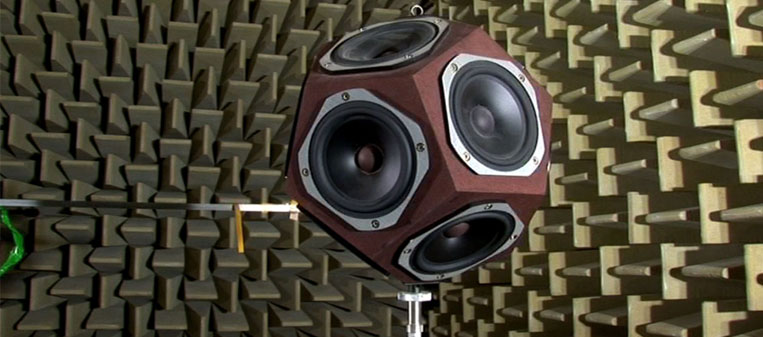
Acoustic Engineering: Exploring the Science and Applications
Acoustic engineering is a fascinating and multidisciplinary field that combines physics, mathematics, materials science, and engineering to understand, control, and manipulate sound. From the design of concert halls to noise reduction in automobiles, acoustic engineering plays a vital role in shaping our acoustic environment. This comprehensive exploration delves into the science behind acoustics and its wide-ranging applications across industries.
At its core, acoustic engineering deals with the generation, transmission, and reception of sound waves. Sound is a mechanical wave that travels through various media—air, water, solids—and interacts with different materials and structures. Understanding these interactions allows acoustic engineers to create environments where sound behaves predictably and optimally for specific applications.
"Acoustic engineering is the invisible art that shapes how we experience sound. From the whisper of a library to the roar of a concert, it's the science that makes our world sound right."
The Fundamentals of Acoustic Engineering
1. Wave Physics: Understanding sound wave behavior is fundamental. Key concepts include: - Frequency: Determines pitch (measured in Hertz). - Amplitude: Determines loudness (measured in decibels). - Wavelength: Distance between wave peaks. - Propagation: How sound travels through different media. - Reflection, Refraction, Diffraction: How waves interact with obstacles.
2. Psychoacoustics: The study of how humans perceive sound: - Hearing Sensitivity: Human hearing range (20 Hz to 20 kHz). - Sound Localization: How we determine sound direction. - Auditory Masking: How sounds can obscure each other. - Perception: How we interpret different sound characteristics. - Loudness vs. Intensity: The subjective vs. objective measurement.
3. Acoustic Measurement: Tools and techniques for analyzing sound: - Sound Level Meters: Measure sound pressure levels. - Frequency Analyzers: Analyze spectral content. - Reverberation Time (RT60): Measure decay time of sound. - Acoustic Modeling: Computer simulation of sound behavior. - Impulse Response: Characterize acoustic spaces.
4. Materials and Acoustics: How materials affect sound: - Absorption: Materials that absorb sound energy. - Reflection: Materials that reflect sound. - Transmission: How sound passes through materials. - Mass Law: Heavier materials block more sound. - Damping: Materials that reduce vibration.
"Every surface, every material, every space has its own acoustic signature. Acoustic engineering is about understanding these signatures and harnessing them to create the sound we want to hear."
Applications of Acoustic Engineering
1. Architectural Acoustics: Designing spaces for optimal sound: - Concert Halls: Achieving ideal reverberation and sound distribution. - Theaters: Optimizing speech clarity and sound projection. - Conference Centers: Ensuring intelligibility and minimal echoes. - Recording Studios: Creating neutral, controlled acoustic environments. - Open-Plan Offices: Managing noise and improving privacy.
2. Environmental Noise Control: Managing sound in public spaces: - Traffic Noise: Barriers and road surface design. - Airport Noise: Noise mapping and mitigation strategies. - Industrial Noise: Machinery sound control and worker protection. - Urban Soundscapes: Designing quieter urban environments. - Community Noise: Regulations and compliance.
3. Building Acoustics: Optimizing sound in construction: - Sound Insulation: Preventing sound transmission between spaces. - Impact Noise: Reducing footfall and mechanical noise. - Facade Design: Managing external noise intrusion. - HVAC Acoustics: Quiet and efficient ventilation systems. - Building Codes: Meeting acoustic regulations and standards.
4. Audio Engineering: Recording, mixing, and reproduction: - Sound Reinforcement: Live concert audio systems. - Studio Recording: Capturing and manipulating sound. - Broadcast Engineering: Radio and television audio. - Consumer Audio: Speakers, headphones, and soundbars. - Virtual Acoustics: Simulating acoustic spaces digitally.
5. Automotive Acoustics: Creating quiet, comfortable vehicles: - NVH: Noise, Vibration, and Harshness management. - Interior Acoustics: Cabin sound quality and comfort. - Exhaust Noise: Meeting noise regulations. - Tire Noise: Reducing road noise. - Active Noise Control: Using technology to cancel unwanted sounds.
6. Medical Acoustics: Applications in healthcare: - Ultrasound: Medical imaging and diagnostics. - Hearing Aids: Devices that amplify and process sound. - Diagnostic Instruments: Stethoscopes and other acoustic tools. - Hospital Acoustics: Creating healing environments. - Acoustic Therapy: Sound-based treatments and therapies.
7. Underwater Acoustics: Sound in marine environments: - Sonar: Navigation and detection systems. - Marine Biology: Studying marine life communication. - Oceanography: Acoustic analysis of ocean conditions. - Submarine Engineering: Underwater sound systems. - Marine Noise Control: Managing shipping and construction noise.
8. Consumer Electronics: Sound in everyday devices: - Smart Speakers: Voice interaction and audio quality. - Mobile Phones: Compact high-quality audio. - Voice Assistants: Speech recognition and synthesis. - Gaming Audio: Immersive 3D sound experiences. - VR/AR: Spatial audio for virtual environments.
Technologies in Acoustic Engineering
1. Active Noise Cancellation: Using destructive interference to cancel sound. Modern headphones and automotive systems employ this technology to reduce unwanted noise.
2. Digital Signal Processing (DSP): Manipulating audio signals to achieve desired effects. DSP is used in everything from equalizers to advanced room correction systems.
3. Computer-Aided Acoustic Design: Using software to simulate and predict acoustic performance before construction or installation.
4. Smart Materials: New materials that can change their acoustic properties in response to external conditions.
5. 3D Audio: Creating immersive sound experiences that simulate real-world listening environments.
"Acoustic engineering is where science meets creativity. Understanding the principles of sound allows us to create technologies and spaces that enhance how we communicate, learn, and experience the world."
Challenges in Acoustic Engineering
1. Urban Noise Pollution: Growing population density leads to increased noise levels, affecting health and quality of life. Solutions include better urban planning, noise barriers, and quieter technologies.
2. Acoustic Comfort: Balancing sound quality with energy efficiency and cost-effectiveness in building design.
3. Hearing Loss: Addressing noise-induced hearing loss in workplaces and through personal audio devices.
4. Environmental Impact: Managing marine noise that affects marine life and ecosystems.
5. Technological Advancement: Keeping pace with rapidly evolving audio technologies and consumer expectations.
Future Trends in Acoustic Engineering
1. AI and Machine Learning: Intelligent systems that can optimize acoustics dynamically for different spaces and applications.
2. Immersive Experiences: Continued development of spatial audio and haptic feedback for virtual and augmented reality.
3. Personalized Acoustics: Systems that adapt to individual hearing profiles and preferences.
4. Sustainable Acoustics: Eco-friendly materials and energy-efficient sound management solutions.
5. Smart Cities: Integrating acoustic monitoring and control into urban infrastructure.
6. Biomedical Applications: New acoustic therapies and diagnostic tools for healthcare.
7. Quantum Acoustics: Emerging field exploring acoustic behavior at the quantum level.
Education and Career Paths in Acoustic Engineering
1. Academic Training: Degrees in physics, engineering, or specialized acoustics programs provide the foundation. Master's and doctoral programs offer advanced specialization.
2. Professional Certification: Organizations like the Institute of Acoustics offer professional certifications that enhance career prospects.
3. Career Opportunities: Acoustic engineers work in diverse fields: - Consulting: Advising on acoustic design projects. - Research and Development: Developing new acoustic technologies. - Manufacturing: Designing products with optimal sound characteristics. - Academia: Teaching and conducting research. - Government: Policy development and regulation.
4. Skills Required: - Analytical Skills: Problem-solving and data analysis. - Technical Skills: Software proficiency and measurement techniques. - Communication: Explaining complex concepts to diverse audiences. - Creativity: Innovative approaches to acoustic challenges. - Attention to Detail: Precision in measurement and design.
Conclusion
Acoustic engineering is a dynamic and essential field that shapes how we experience sound in every aspect of our lives. From the concert halls that inspire us to the quiet offices where we work, acoustic engineers work behind the scenes to create environments that sound right, feel comfortable, and function effectively.
As technology continues to evolve and our understanding of sound deepens, acoustic engineering will play an increasingly important role in addressing challenges like noise pollution, creating immersive entertainment experiences, and developing new healthcare solutions. The future of acoustic engineering is bright, with endless opportunities for innovation and discovery.
At Ray Acoustics, we're passionate about the science and art of acoustic engineering. Our team combines technical expertise with creative thinking to deliver acoustic solutions that transform spaces and enhance how people experience sound. Whether you're designing a concert venue, building a home theater, or seeking noise control solutions, our acoustic engineers are here to help you achieve your goals.